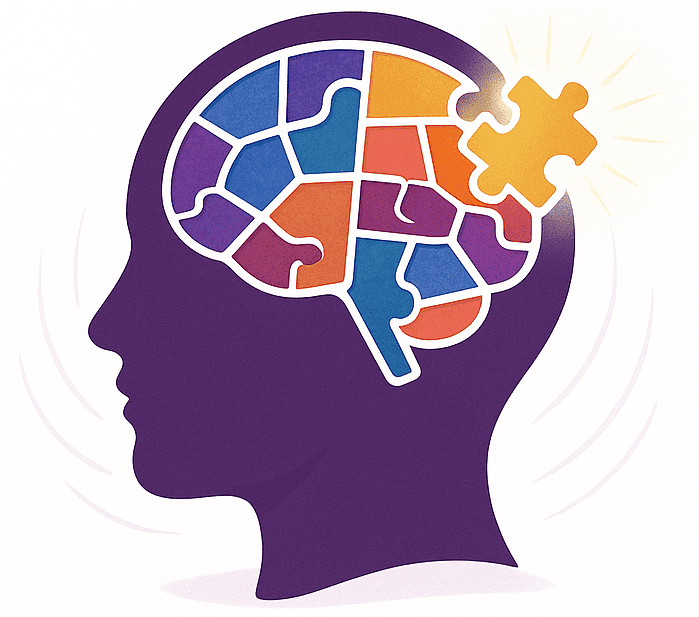



Social skills and social regulation toolkit for neurodivergent children and teens. Includes social scripts, friendship tools, conversation supports, and parent guide for navigating social situations with confidence and regulation.
The Social Ease Regulation Support Kit is a comprehensive social skills and social-emotional regulation toolkit designed specifically for neurodivergent children and teens who find social situations challenging, anxiety-provoking, or overwhelming. This system provides concrete scripts, visual supports, and regulation strategies that make social interactions more predictable, manageable, and successful.
Understanding Social Challenges in Neurodivergence:
Why Social Situations Are Difficult:
– Difficulty reading social cues and body language
– Uncertainty about unwritten social rules
– Anxiety about saying or doing the “wrong” thing
– Sensory overwhelm in social environments (noise, crowds, unpredictability)
– Executive function challenges (processing, responding quickly)
– Difficulty understanding others’ perspectives
– Communication differences and preferences
– Masking exhaustion and social burnout
Common Social Difficulties:
– Making and keeping friends
– Joining groups or conversations
– Understanding jokes, sarcasm, or idioms
– Recognizing when others are upset or uncomfortable
– Taking turns in conversation
– Knowing what to talk about
– Reading social context and adjusting behavior
– Ending conversations appropriately
– Managing conflict or disagreements
– Navigating peer pressure or social expectations
Impact of Social Challenges:
✗ Loneliness and social isolation
✗ Anxiety and avoidance of social situations
✗ Bullying or peer rejection
✗ Low self-esteem and confidence
✗ Social exhaustion and burnout
✗ Masking and suppressing authentic self
✗ Mental health challenges (depression, anxiety)
✗ Missing out on social experiences
The Social Ease System provides neurodiversity-affirming social support that honors authentic communication while building practical social navigation skills.
What’s Included in the Social Ease Kit:
Social Situation Scripts and Supports:
– 50+ social scripts for common situations
– Greeting and introduction scripts
– Conversation starters by topic/interest
– Asking to join games or activities
– Making plans with friends
– Polite refusals and saying no
– Apologizing and repairing relationships
– Disagreeing respectfully
– Asking for help or clarification
– Ending conversations gracefully
Conversation Skills Tools:
– Conversation flow visual (topic initiation, maintenance, closing)
– Turn-taking reminders
– Active listening strategies
– Asking questions techniques
– Sharing about interests appropriately
– Reading conversation cues (is this working?)
– Changing topics smoothly
– Conversation repair strategies
Friendship Building and Maintenance:
– Making friends step-by-step guide
– Friendship qualities and green/red flags
– Maintaining friendships activities
– Conflict resolution framework
– Understanding different friendship levels
– Setting boundaries in friendships
– Reciprocity and give-and-take
– Recognizing true vs. fake friends
Social Cues and Perspective-Taking:
– Body language decoder charts
– Facial expression identification
– Voice tone and volume awareness
– Personal space guidelines
– Social context awareness
– Perspective-taking activities
– Recognizing others’ feelings
– Understanding hidden curriculum
Social Regulation Strategies:
– Social anxiety management
– Before-social-event preparation
– During-event regulation tools
– Post-social recovery protocols
– Masking awareness and energy management
– Authentic vs. masking navigation
– Social battery tracking
– Burnout prevention
School Social Situations:
– Lunchroom navigation
– Recess and playground social skills
– Group project collaboration
– Classroom participation
– Dealing with bullying
– Teacher interactions
– School social hierarchy understanding
Online and Digital Social Skills:
– Texting and messaging etiquette
– Social media navigation
– Online vs. in-person communication differences
– Digital safety and boundaries
– Gaming social skills
– Video chat participation
Parent and Support Person Guide:
– Understanding neurodivergent social differences
– Supporting vs. forcing social interaction
– Neurodiversity-affirming social skill building
– Managing social anxiety
– Supporting authentic friendships
– Addressing bullying and rejection
– Balancing socialization and alone time
– Recognizing masking and burnout
– Supporting social identity development
– Long-term social well-being
How the Social Ease System Works:
Foundation: Understanding Social Differences
– Learn about neurodivergent social communication
– Identify personal social strengths and challenges
– Recognize that different ≠ wrong
– Understand social energy and capacity
– Build self-acceptance and confidence
Step 1: Learn Concrete Social Skills
– Introduce social scripts for common situations
– Practice in safe, low-stakes environments
– Role-play and rehearse
– Use visual supports and scripts
– Build foundational social competence
Step 2: Navigate Social Situations with Support
– Use scripts and supports in real social situations
– Reference visual cues and reminders
– Practice social regulation strategies
– Debrief and reflect after social events
– Build confidence through success
Step 3: Develop Flexible Social Skills
– Adapt scripts to different situations
– Read and respond to social context
– Handle unexpected social situations
– Repair when things go wrong
– Build authentic social style
Step 4: Build and Maintain Friendships
– Identify potential friends with shared interests
– Practice friendship initiation and maintenance skills
– Navigate conflicts and misunderstandings
– Set healthy boundaries
– Develop reciprocal relationships
Step 5: Manage Social Energy and Authenticity
– Recognize social exhaustion and burnout
– Balance masking and authenticity
– Honor need for alone time
– Prioritize genuine connections
– Build sustainable social life
Key Features and Benefits:
Neurodiversity-Affirming Approach:
✓ Respects different social communication styles
✓ Doesn’t enforce neurotypical social norms
✓ Values authenticity over conformity
✓ Recognizes masking and its costs
✓ Supports finding compatible friends
✓ Celebrates neurodivergent social strengths
Concrete and Practical:
✓ Actual scripts, not abstract concepts
✓ Visual supports for in-the-moment use
✓ Step-by-step skill breakdowns
✓ Real-world situation focus
✓ Immediately applicable
Comprehensive Social Support:
✓ Conversation skills
✓ Friendship development
✓ Social regulation
✓ Conflict navigation
✓ Online/offline social skills
✓ Energy management
Regulation-Focused:
✓ Addresses social anxiety
✓ Manages sensory social overwhelm
✓ Prevents social burnout
✓ Supports recovery and rest
✓ Balances socialization and self-care
Perfect For:
Children and Teens Who:
– Find social situations confusing or anxious
– Want friends but struggle to make/keep them
– Don’t know what to say in conversations
– Experience social anxiety or avoidance
– Have been bullied or rejected by peers
– Mask heavily in social situations
– Experience social exhaustion or burnout
– Need concrete social scripts and supports
– Are autistic, ADHD, or otherwise neurodivergent
– Want to improve social confidence
Social Challenges:
– Making friends and initiating relationships
– Maintaining and deepening friendships
– Conversation skills and turn-taking
– Reading social cues and body language
– Navigating peer groups and social hierarchies
– Managing conflicts and disagreements
– Online social interaction
– School social situations
– Social anxiety and overwhelm
Age Range:
– Designed for ages 7-18
– Elementary strategies simpler and concrete
– Teen strategies address complex social dynamics
– Adaptable to social maturity level
– Supports transition to young adulthood
What Makes This Kit Unique:
Truly Neurodiversity-Affirming:
– Doesn’t try to make neurodivergent kids “normal”
– Values different communication styles
– Focuses on finding compatible people
– Addresses masking honestly
– Supports authentic social identity
Regulation-Integrated:
– Social skills AND social regulation
– Addresses anxiety and overwhelm
– Manages social energy and burnout
– Prevents rather than just teaches
– Sustainable social participation
Comprehensive and Real-World:
– Not just conversation—full social life
– School, community, online contexts
– Friendship building and maintenance
– Conflict and challenge navigation
– Long-term social well-being
Practical and Usable:
– Concrete scripts ready to use
– Visual supports for situations
– Quick-reference format
– Real scenarios addressed
– Immediately applicable
Kit Components in Detail:
1. Social Scripts Collection (50+ scripts):
– Greeting and introduction scripts (10 variations)
– Conversation starters by topic (15 topics)
– Joining activities and games scripts (8 situations)
– Making plans scripts (5 scenarios)
– Polite refusal scripts (“No thanks” in different ways)
– Apology and repair scripts
– Disagreement scripts (respectful disagreeing)
– Help-seeking scripts
– Ending conversation scripts
– Emergency social exit scripts
2. Conversation Skills Visual Supports (15 tools):
– Conversation flow chart (visual roadmap)
– Turn-taking reminder card
– Active listening checklist
– Question-asking prompt cards
– Topic maintenance strategies
– Conversation cue reading guide
– Topic change techniques
– Conversation repair flowchart
3. Friendship Tools (20 tools):
– Making friends step-by-step guide
– Friendship levels chart (acquaintance to close friend)
– Friendship green flags and red flags
– Maintaining friendships activities list
– Conflict resolution framework
– Boundary-setting in friendships
– Reciprocity tracker
– Friend vs. not-friend identifier
4. Social Cues Decoder (12 tools):
– Body language interpretation guide
– Facial expression chart with meanings
– Voice tone awareness guide
– Personal space visual (comfort zones)
– Social context reading checklist
– Perspective-taking activities
– “How are they feeling?” guide
– Hidden curriculum explanations
5. Social Regulation Strategies (25 tools):
– Social anxiety scale and management
– Before-event preparation checklist
– During-event regulation tools
– Post-event recovery protocol
– Social battery tracking
– Masking awareness journal
– Authentic vs. masking decision tree
– Burnout prevention strategies
6. School-Specific Social Supports (15 tools):
– Lunchroom social navigation
– Recess and playground guide
– Group project collaboration tips
– Classroom participation strategies
– Bullying response protocols
– Teacher interaction scripts
– School social map (who, where, when)
7. Digital/Online Social Skills (10 tools):
– Texting etiquette guide
– Social media dos and don’ts
– Online vs. in-person differences
– Digital safety and boundaries
– Gaming social skills
– Video chat participation tips
– Emoji and text tone guide
8. Parent/Support Guide (85-page manual):
– Neurodivergent social differences explained
– Supporting without forcing socialization
– Neurodiversity-affirming approaches
– Managing social anxiety and avoidance
– Supporting authentic friendships
– Addressing bullying and peer rejection
– Recognizing masking and its costs
– Balancing social and alone time
– Social skill teaching strategies
– Long-term social development
– When to seek additional support
9. Social Situation Quick-Reference Cards:
– Laminated wallet/pocket-size cards
– Quick scripts for common situations
– Conversation rescue strategies
– Social regulation reminders
– Carry in pocket, backpack, wallet
Digital Access Includes:
– Downloadable PDF of all materials
– Printable scripts and worksheets
– Video social skill demonstrations
– Role-play scenario videos
– Social skills training modules
– Parent training videos
– Editable script templates (customize to your child)
– Bonus social stories and scenarios
– Online social skills practice community
– Expert social skills coaching videos
Implementation Timeline:
Weeks 1-2: Foundation and Assessment
– Learn about neurodivergent social communication
– Identify current social challenges and strengths
– Build self-acceptance and confidence
– Introduce concept of social scripts and supports
Weeks 3-4: Basic Scripts and Greetings
– Practice greeting and introduction scripts
– Use in low-stakes situations
– Build confidence with basics
– Role-play and rehearse
Weeks 5-6: Conversation Skills
– Introduce conversation flow visual
– Practice conversation starters
– Work on turn-taking and listening
– Apply in real conversations
Weeks 7-8: Friendship Initiation
– Learn friend-making steps
– Practice joining activities
– Make plans with potential friends
– Navigate early friendship building
Weeks 9-10: Social Regulation
– Address social anxiety
– Teach social energy management
– Practice before/during/after regulation
– Prevent social burnout
Weeks 11-12: Friendship Maintenance and Conflict
– Deepen existing friendships
– Navigate disagreements and conflicts
– Set boundaries appropriately
– Repair relationship ruptures
Weeks 13+: Integration and Authenticity
– Generalize skills across settings
– Balance masking and authenticity
– Build sustainable social life
– Develop genuine connections
Success Indicators:
Early Progress (Weeks 1-6):
– Willing to try social scripts
– Less social anxiety in some situations
– Beginning to use some strategies
– More awareness of social skills
– Increased social confidence
Mid-Term Success (Weeks 7-12):
– Using scripts and supports in real situations
– Making some social connections
– Better conversation skills
– Managing social anxiety better
– Initiating social interactions sometimes
Long-Term Outcomes (Week 13+):
– Meaningful friendships developing
– Confident social navigation
– Authentic social participation
– Effective social regulation
– Balanced social life
– Reduced loneliness and isolation
– Positive social identity
– Sustainable social engagement
Materials and Format:
Physical Components:
– 50 social script cards (4″ × 6″ laminated)
– 15 conversation support tools (various sizes)
– 20 friendship tool cards and worksheets
– 12 social cue decoder cards (laminated)
– 25 regulation strategy cards (3″ × 4″ laminated)
– School-specific supports (15 tools)
– Digital social skills guide
– 85-page spiral-bound parent guide
– Quick-reference pocket cards (wallet-size)
– Storage binder
Digital Components:
– Immediate download access
– PDF versions of all materials
– Printable scripts and worksheets
– Video demonstrations and role-plays
– Social skills training modules
– Parent coaching videos
– Editable templates
– Bonus social stories
– Online practice community
– Expert coaching access
Quality:
– Neurodiversity-affirming content
– Respectful and empowering language
– Realistic social scenarios
– Diverse representation
– Evidence-based strategies
– Authenticity-focused
Product Specifications:
– Script cards: 4″ × 6″ laminated (50+ cards)
– Support tools: Various sizes (60+ items total)
– Quick-reference: Wallet-size laminated
– Parent guide: 85-page spiral-bound
– Binder: 3-ring, 1.5″ capacity
– Digital access: Lifetime portal access
Investment: $79
Comprehensive social skills and regulation toolkit building authentic social connections, confidence, and sustainable social participation.
Includes all physical materials, parent guide, digital access with video role-plays, and ongoing support community.
Perfect for neurodivergent children and teens (ages 7-18) who struggle with social situations, friendship, conversation, or social anxiety and benefit from concrete scripts and neurodiversity-affirming support.
Shipping: Physical materials ship within 5-7 business days. Digital access is immediate upon purchase.